LL87 Energy Audits — When Is Your Building Due?
What Local Law 87 Is — and Why It’s More Than Just Paperwork
Local Law 87 (LL87) is one of NYC’s original energy laws focused on understanding your building’s energy performance, not just measuring it. Passed in 2009 as part of the Greener, Greater Buildings Plan, this law requires covered buildings to undergo a professional energy audit and retro-commissioning — essentially a systems tune-up — every ten years.
After the work is done, you file an Energy Efficiency Report (EER) with the NYC Department of Buildings (DOB) showing what was found and how your systems are performing.
Think of it as giving your building a health check-up every decade — not to punish you, but to point out where energy waste might be hiding and how your systems are working together.
What “Energy Audit” and “Retro-Commissioning” Really Mean
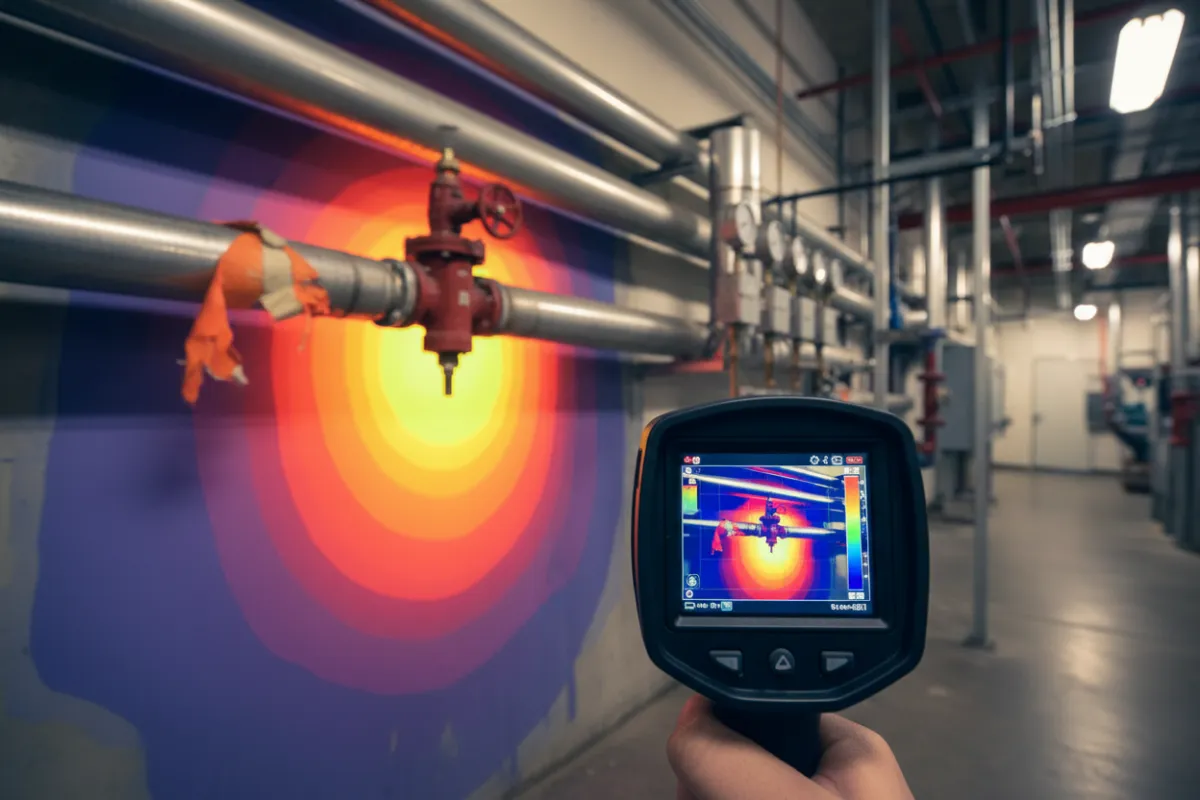
Energy Audit: A certified professional inspects your building’s major energy users — HVAC, lighting, controls, boilers, chillers, water heating, etc. — and identifies opportunities to operate more efficiently.
Retro-Commissioning: Think of this as the tune-up after the audit — optimizing how your existing systems operate so they’re working as intended, minimizing waste and extending equipment life.
Together, these processes don’t force upgrades, but they show what’s worth upgrading. That insight can save real money over time.
Who Needs to Comply
LL87 applies to buildings that are:
Over 50,000 gross square feet, or
Two or more buildings on a single tax lot totaling over 100,000 square feet, or
Condo and condos under one board that together exceed the same 100,000 sq ft threshold.
To see if your building is on the compliance list, use the NYC Covered Buildings List — which uses your borough-block-lot (BBL) — and then plug that into the BBL Finder tool to check your data. This helps confirm the building’s size and reporting obligations before next steps. (Link this to NYC’s BBL Finder on NYCComplianceCalendar.com or DOB resources.)
When Your LL87 Audit Is Due — It’s BBL Based
Here’s the fun but actually useful part — your due date isn’t random, and it’s not tied to the calendar year. It’s tied to the last digit of your building’s tax block number.
The rule works like this:
👉 Every ten years, your building must complete the audit & retro-commissioning and file the EER by December 31 of the year that matches the last digit of your block number. (New York City Government)
For example:
Block ending in 0 → Due 2020, 2030
Block ending in 1 → Due 2021, 2031
Block ending in 2 → Due 2022, 2032
Block ending in 3 → Due 2023, 2033
…and so on through 9 → Due 2029, 2039 (Safari NY)
👉 UPDATED NOTICE (2025 filing year only): For buildings scheduled to file in 2025, NYC has extended the deadline to March 31, 2026. (LinkedIn)
Pro tip: LL87 compliance isn’t quick. Audits, retro-commissioning work, and professional reporting take time — so treat your compliance date like a marathon, not a sprint.
Why You Shouldn’t Wait Until the Last Minute
Because everything has to be done — audit, retro-commissioning review, and then the EER filed — you really want to start at least 12–18 months before your deadline, especially if your building has:
Complex systems
Seasonal equipment like cooling towers
HVAC that can’t be fully assessed outside of certain months (EZ Energy Services)
Starting early gives you scheduling flexibility, avoids rushed work in peak seasons, and reduces the risk of missing a deadline or incurring fines.
Penalties for Late or Missing EERs
If you miss your scheduled EER filing deadline (typically Dec 31), NYC imposes civil penalties — often starting around $3,000 in the first year and increasing each year the report remains outstanding. (LinkedIn)
Random DOB audits also happen, so even if you’re not expecting it, a missing EER can become an urgent and costly issue.
Local Law 87 isn’t “just another deadline” — it’s a decadal check-in that gives boards and building teams a clear picture of energy performance and potential improvements.
Your next step is simple:
👉 Find your building’s BBL
👉 Check your LL87 deadline using the NYC BBL Finder
👉 Plan early so your energy audit and retro-commissioning flow smoothly
Because when you know when you’re due — and why it matters — it stops feeling like a surprise and starts feeling like good planning.
Ready to check your LL87 due date and plan ahead?
👉 Use your BBL and the schedule finder on NYCComplianceCalendar.com to see your audit deadline — and never miss a decadal requirement again.


