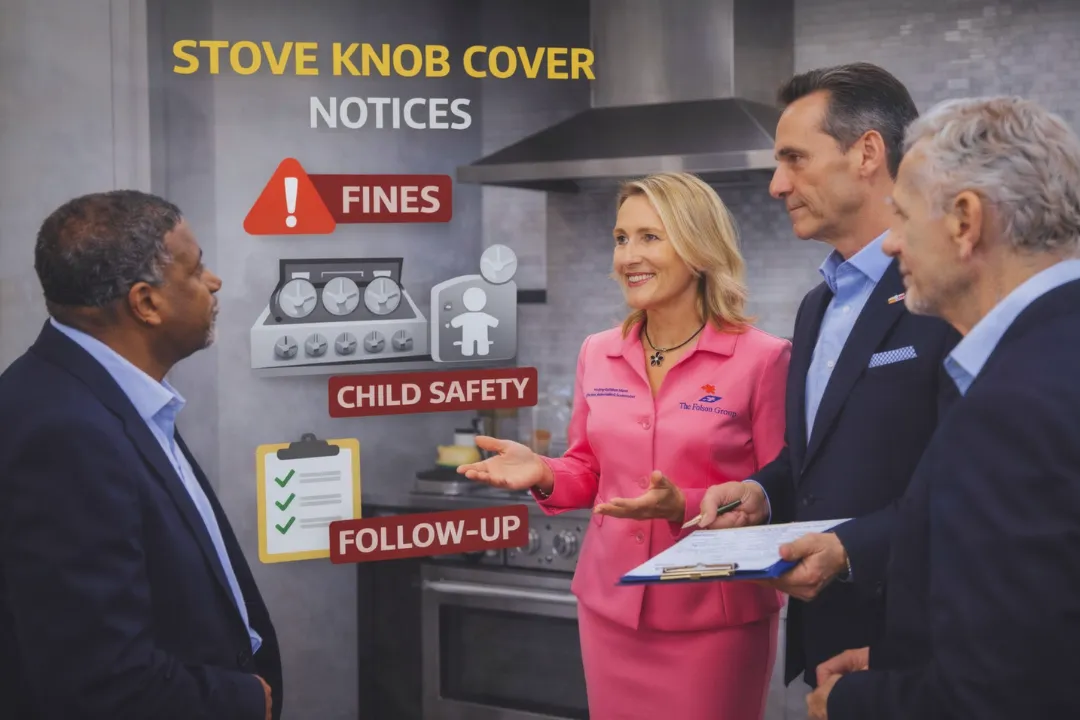
NYC Stove Knob Cover Safety Notice: Co-op & Condo Board Compliance Guide
It only takes a second for a small hand to turn a stove knob — and a lifetime to live with the burns. That’s why NYC takes this notice so seriously.
Every year, co-ops and condos across the city must send the Stove Knob Cover Safety Notice by February 15. It’s a simple step that helps prevent kitchen fires and burn injuries in apartments with young children.
From all of us at The Folson Group, here’s your plain-English guide to what this notice is, why it matters, and how you keep your building safe and compliant.
The Stove Knob Cover Notice is required by NYC’s Housing Preservation & Development (HPD).
Each year, your building must ask residents:
Does a child under 6 years old live in your apartment?
If yes, the building must provide stove knob covers at no cost to the resident. These covers help stop children from accidentally turning on gas or electric stoves.
This applies to most:
Co-ops
Condos
Rental buildings
If families live in your building, this law likely applies to you.
February 15 — Send the Notice
By this date every year, you must deliver the stove knob cover notice to every apartment.
March — Follow Up on Responses
If residents don’t reply, you must make reasonable attempts to collect responses by another date in March.
Sending it once isn’t enough.
You need to show you tried.
This law exists because of real accidents.
Young children have:
Turned on stoves while playing
Caused kitchen fires
Suffered serious burns
Filled apartments with gas without anyone noticing
All in just seconds.
NYC created this rule to reduce:
🔥 Fires
🔥 Burns
🔥 Gas-related emergencies
It’s a small device that prevents big disasters.
If a resident reports a child under 6, the building must:
✔️ Provide stove knob covers for the stove
✔️ Make them available quickly
✔️ Replace broken or missing covers if needed
✔️ Keep records showing you offered them
Even if parents say they don’t want them, you should still document that you offered.
It’s about showing good-faith compliance.
If your building skips the notice or ignores responses, you could face:
HPD violations
Fines and penalties
Orders to correct immediately
Legal exposure after a fire or injury
Loss of trust from families
Worst case?
A fire or burn that could’ve been prevented with a simple cover.
That’s why HPD enforces this every year.
In most buildings:
Board of Directors – Ultimately responsible
Property Manager – Sends notices and tracks replies
Super/Staff – Helps distribute covers if needed
Vendors – Sometimes supply covers in bulk
Consultants (like The Folson Group) – Oversee the process
Even if someone else handles the task, the board owns the risk.
If residents don’t respond, HPD expects follow-up, such as:
Reminder emails or letters
Notes under doors
Phone calls
Certified mail for repeat non-responders
A log of dates and efforts
If there’s an inspection, you’ll need proof that you tried.
No follow-up = possible violation.
A notice goes out.
Most people respond. A few don’t.
Later:
A toddler turns a knob while a parent is in another room.
A small fire starts.
FDNY responds.
HPD gets involved.
Now the building’s records are reviewed.
If you can’t show you sent notices and offered covers, you’re suddenly exposed — even if it was just one apartment.
This is how small steps protect the whole building.
Boards often think:
“It’s just a piece of plastic.”
But that piece of plastic:
✔️ Prevents fires
✔️ Reduces gas leaks
✔️ Protects kids
✔️ Lowers risk for the building
And shows families you care about safety inside their homes.
The best-run buildings:
✔️ Send notices early in February
✔️ Track which apartments have young children
✔️ Keep covers in stock
✔️ Replace missing ones quickly
✔️ Keep records ready for inspections
✔️ Review this at safety meetings
They don’t wait for an accident to take action.
The stove knob cover notice is one of several safety notices due on February 15, along with:
Window guard notices
Lead paint safety notices
And more
That’s why this date is so important for boards and managers.
Miss it, and you’re instantly behind.
At The Folson Group, we built NYCComplianceCalendar.com so you can:
See every compliance deadline
Get reminders before it’s due
Know what’s required each year
Track rule changes
Stop scrambling at the last minute
It’s your simple way to stay ahead.
The stove knob cover notice may seem small, but it sends a big message:
You care about:
Kids’ safety
Fire prevention
Smart building management
And doing the right thing, even when no one’s watching
That’s what great boards do.
👉 Want to hear what made Mark Foley and Tina Larsson starting The Folson Group?
Head over to grab the first chapter of Tina Larsson’s book “Living the High Life,” for free!


