NYC Steam Radiator Safety Notice: Co-op & Condo Board Compliance Guide
Steam radiators look harmless — until someone gets burned. In NYC, this notice exists because those burns happen more often than people realize.
Starting in 2026, co-ops and condos must send a Steam Radiator Safety Notice to residents every two years by February 15. It’s a newer requirement, and one that’s easy to miss if you’re not tracking changes closely.
From all of us at The Folson Group, here’s your simple, no-jargon guide to what this notice is, why it exists, and how you keep your building safe and compliant.
The Steam Radiator Safety Notice is required by NYC Housing Preservation & Development (HPD) under Intro 925-A / Local Law 151.
It requires buildings to notify residents about:
The danger of hot steam radiators
Burn risks, especially to children and seniors
Simple steps to prevent radiator-related injuries
This notice must be distributed to residents every two years, beginning in 2026.
If your building has steam heat — and most NYC buildings do — this applies to you.
February 15 — Distribute the Notice
Starting in 2026, buildings must send the steam radiator safety notice by February 15, and then again every two years after that.
Because it’s not annual, it’s even easier to forget.
That’s exactly why this requirement catches boards off guard.
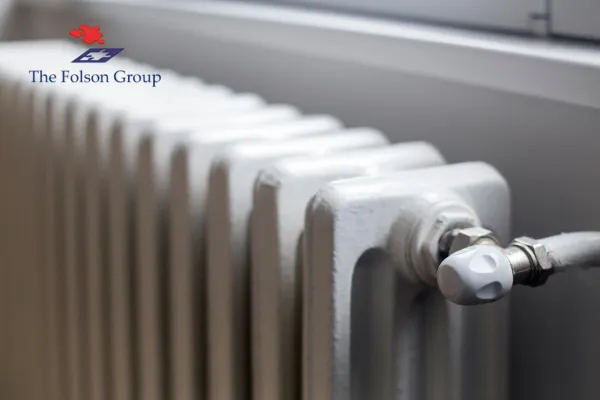
Steam radiators get extremely hot — often hot enough to cause serious burns in seconds.
This law exists because:
Children have touched exposed radiators
Seniors and people with mobility issues have fallen against them
Pets and residents have suffered painful injuries
Radiators were treated as “normal,” not dangerous
Burns from radiators can mean:
🔥 Emergency room visits
🔥 Long recovery times
🔥 Permanent scarring
NYC added this requirement to prevent injuries before they happen.
If your building fails to distribute the steam radiator notice, you may face:
HPD violations
Fines and penalties
Orders to comply
Legal exposure after an injury
Loss of resident trust
Worst case?
A preventable burn — and records showing the building never warned residents.
That’s not where any board wants to be.
In most buildings, responsibilities look like this:
Board of Directors – Ultimately responsible
Property Manager – Sends notices and keeps records
Super/Staff – Reports unsafe conditions
Vendors – Install radiator covers or guards if needed
Consultants (like The Folson Group) – Track compliance and changes
Even when others help, the board carries the responsibility.
The notice generally explains:
Radiators can reach very high temperatures
Touching them can cause burns
Children should be kept away
Radiator covers can reduce risk
Residents should report broken or exposed radiators
It’s about awareness — many residents simply don’t realize the danger.
A toddler is learning to walk.
They stumble and grab the radiator.
The result:
A painful burn
A panicked parent
A hospital visit
Questions about building safety
Then come the questions:
“Did the building warn us?”
“Was this required?”
If the notice wasn’t sent, the building is exposed — even if no one meant harm.
Because it’s:
Newer
Every two years
Easy to confuse with other heating rules
We hear:
“I didn’t know this was required yet.”
“Isn’t this optional?”
“I thought covers were enough.”
But starting in 2026, this notice is mandatory.
The best-run buildings:
✔️ Add this to long-term compliance calendars
✔️ Pair it with other Feb 15 notices
✔️ Educate residents before heating season peaks
✔️ Encourage radiator covers where needed
✔️ Keep records for inspections
They don’t wait for an injury to act.
The steam radiator notice joins other major February 15 requirements, including:
Window guard notices
Stove knob cover notices
Lead paint safety notices
FDNY fire safety bulletins
That makes February 15 one of the most important safety dates of the year for NYC buildings.
At The Folson Group, we built NYCComplianceCalendar.com to help boards:
Track annual and biannual deadlines
Get reminders before it’s due
Understand what’s required
Stay on top of rule changes
Avoid last-minute panic
Especially for “every two years” rules like this one, a calendar matters.
Steam radiators are part of NYC living — but burns don’t have to be.
Sending this notice shows:
You take resident safety seriously
You’re paying attention to new laws
You’re proactive, not reactive
And you run a responsible building
That’s what strong boards do.
👉 Want to make sure your building never misses the Steam Radiator Safety deadline again?
Visit NYCComplianceCalendar.com and put February 15 — and every other NYC compliance date — on autopilot today.


